

OVERVIEW
- Japan’s healthcare and education sectors face a severe labor shortage, driven by an aging population, a shrinking workforce, and rising demand for skilled professionals, making international recruitment a necessity rather than an option.
- Filipino healthcare workers and educators are highly sought after due to their strong qualifications, global work experience, English proficiency, and proven track record of success in countries worldwide.
- Filipino professionals bring qualities that align well with Japanese workplaces, including compassion, respect for elders, strong work ethics, cultural adaptability, and a commitment to long-term employment.
- Hiring from the Philippines is more efficient with the right recruitment partner, as experienced agencies handle sourcing, screening, compliance, documentation, training, and deployment support throughout the process.
- For Japanese employers seeking sustainable workforce solutions, Filipino talent offers long-term staffing stability, lower turnover, workforce continuity, and a reliable pipeline to help address ongoing shortages in healthcare and education.
7 Reasons Why Filipino Dispatched Personnel Are the Answer to Japan’s Labor Shortage (in Education and Healthcare Sectors)
Japan is facing a workforce crisis that isn’t going away anytime soon. The shortage of healthcare workers is at an all-time high. Schools can’t fill teaching positions. Elderly care homes are short-staffed. All while the pool of working-age Japanese nationals keeps getting smaller every year.
We work with Japanese employers every day at Great Ways Manpower International. We hear the same challenge, said in different ways: “We need hard working people that stays, and we need them now.”
Many employers address this challenge by partnering with a human resource dispatch company in Japan. These companies help source, screen, and deploy qualified Filipino professionals while simplifying the recruitment process.
So we put together this guide on why Filipino dispatched personnel are among the most reliable answers to Japan’s growing labor problem. And what it actually takes to make international hiring work.

REASON 1: Japan’s Labor Shortage Is More Serious Than Most People Realize
By 2040, Japan’s elderly population will make up nearly 35% of the country. That’s more people who need care and fewer working-age adults available to provide it. This isn’t a problem in the near future; it is happening right now as we speak!
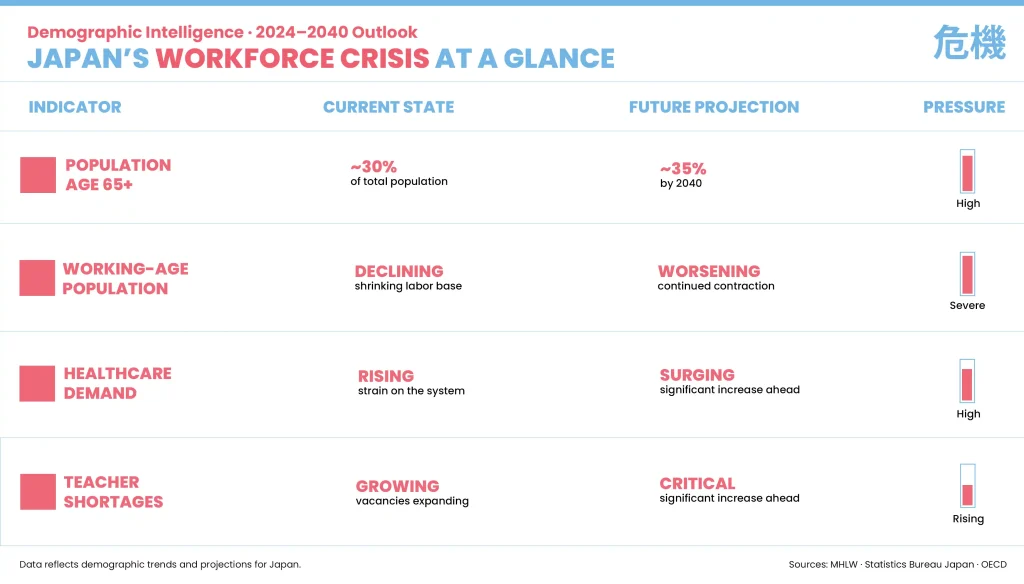
HR teams in healthcare are now draining their resources. Nursing care facilities are running short-staffed shifts. Teachers are burning out from overwork. The labor shortage is affecting real people—both the workers trying to hold it together and the patients and students who depend on them.
The reality: Domestic recruitment alone can’t solve this. Japan’s working-age population is declining while demand continues to grow. International hiring isn’t just an option anymore — for many organizations, it’s a necessity.
According to Japan’s Ministry of Health, Labour and Welfare, the country is projected to face a substantial shortage of caregivers in the coming decades due to demographic changes.
HELPFUL TIP: If you want a deeper look into how demographic changes are reshaping hiring, this guide on Japan’s labor shortage in the service industry explains why more employers are turning to international talent pipelines
REASON 2: Filipino Healthcare Workers Have a Proven Global Track Record
For context, the Philippines produces tens of thousands of nurses and healthcare professionals every year. These aren’t entry-level workers — many come with clinical experience, internationally recognized credentials, and years of training in medical settings.
Additionally, Filipino nurses are working in hospitals and care facilities for First World countries like Japan. The United States, the United Kingdom, the Middle East, and Asia hire Filipinos not by accident but for their high-quality work. This shows that Filipino healthcare workers consistently deliver.
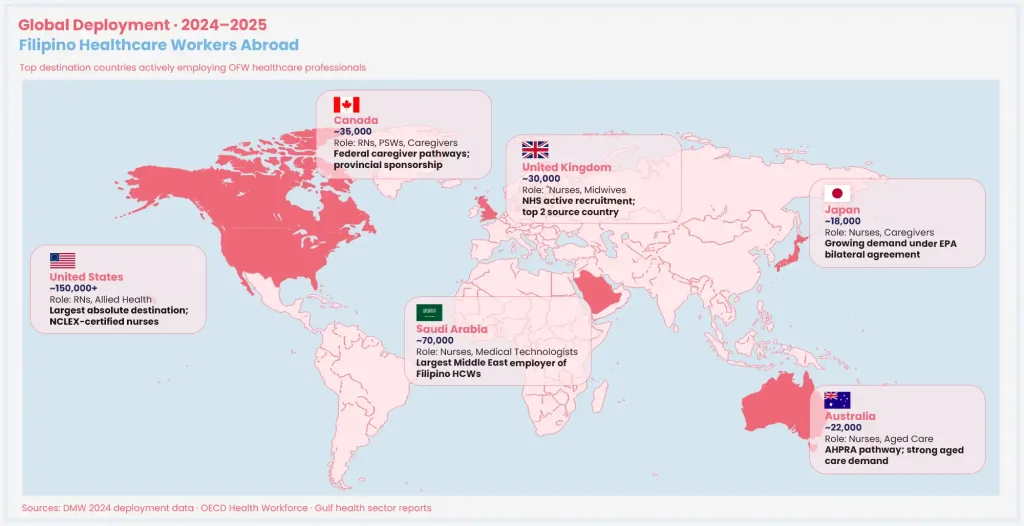
Japan’s healthcare and nursing care sectors are now benefiting from the same talent pipeline. And the numbers are growing as more Filipino professionals pursue opportunities under Japan’s Specified Skilled Worker programs (SSW).
Healthcare support and caregiving opportunities are connected to the Specified Skilled Worker Program in Japan. This program allows qualified foreign professionals to work in industries experiencing severe labor shortages.
Some healthcare careers that fall under SSW are the following:

Certified Nurses
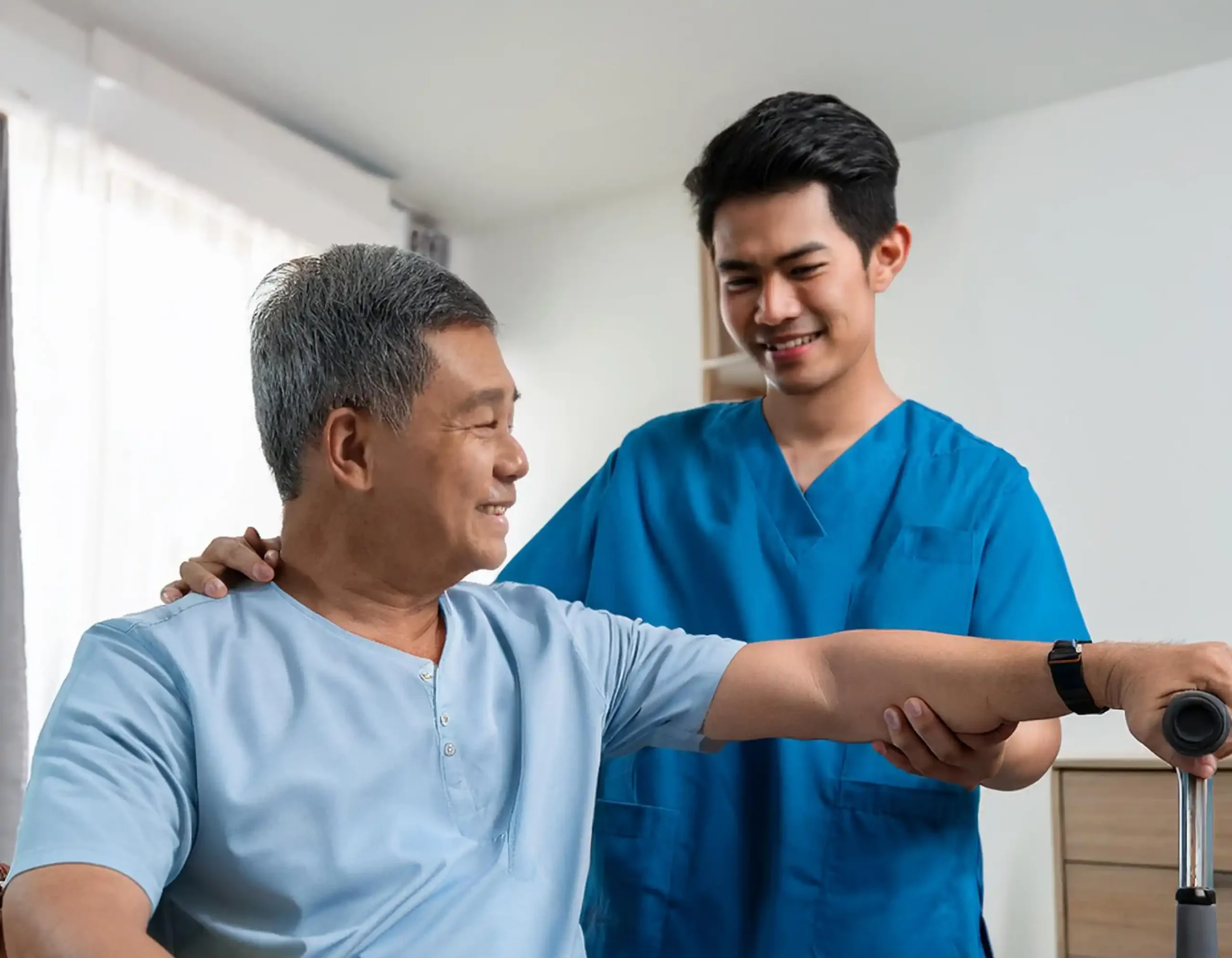
Rehabilitation Specialists
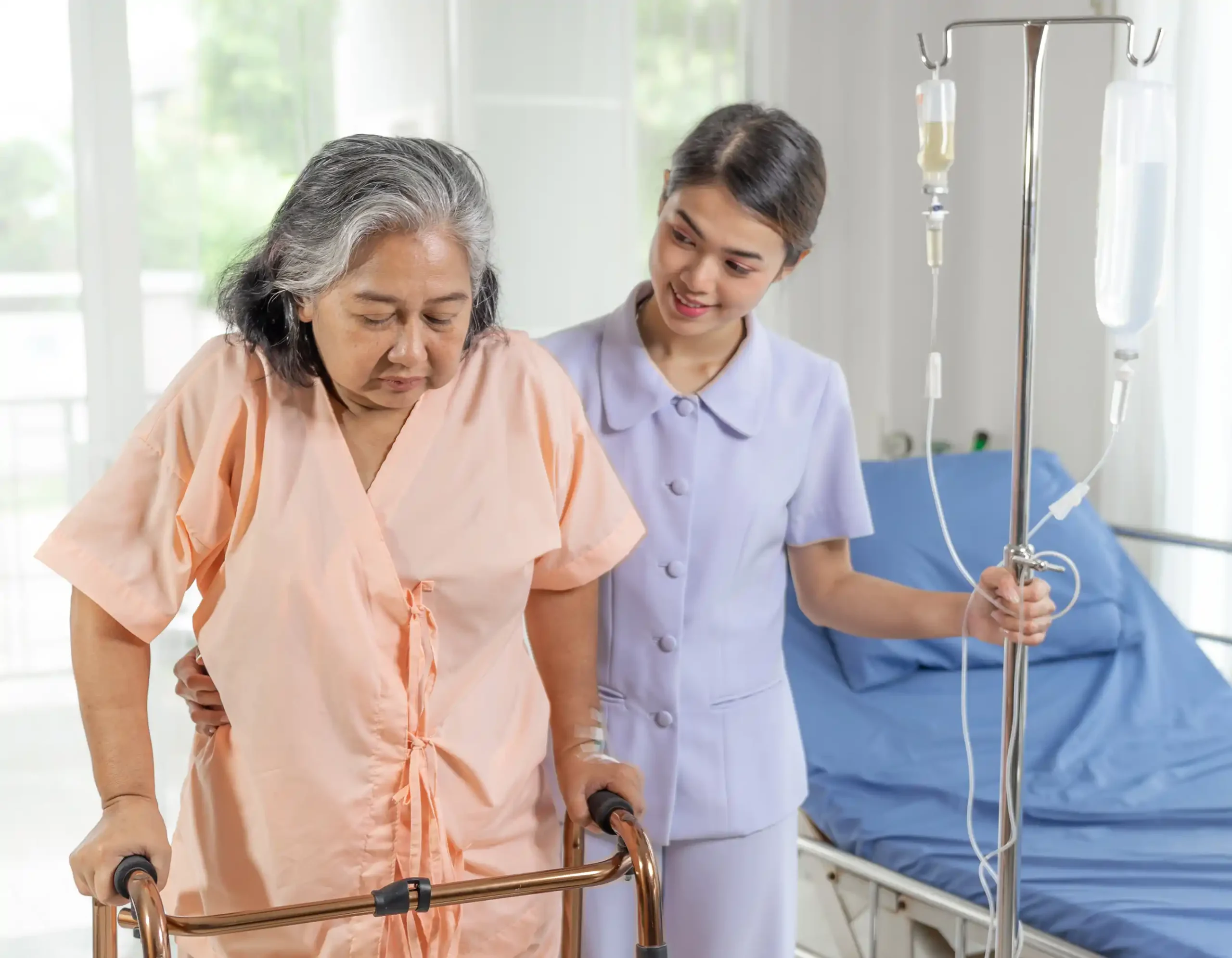
Caregivers

Medical Support Staff
REASON 3: Strong English Skills Make Filipino Educators Highly Adaptable
Japan’s education sector needs language teachers who can communicate with confidence. Finding locally based candidates with strong English proficiency is a real challenge. That’s why international schools, English language institutions, and vocational programs look for alternatives.
The Philippines is one of the most English-proficient countries in Asia. For many Filipinos, English isn’t a second language; it’s the primary language of their education. This gives them a real advantage in a classroom where clear communication matters most.
Japanese schools that have hired Filipino assistant language teachers (ALTs) always have positive things to say. They report faster integration, fewer language barriers in daily operations, and strong relationships with both students and staff. This unique fit will be hard to replicate with other talent sources.
For language schools and international institutions: A Filipino educator brings both subject-matter expertise and English fluency — something that’s increasingly difficult to source domestically in Japan.
HELPFUL TIP: Working with a licensed recruitment agency in the Philippines can help schools source qualified educators faster while ensuring documentation and screening are handled properly.
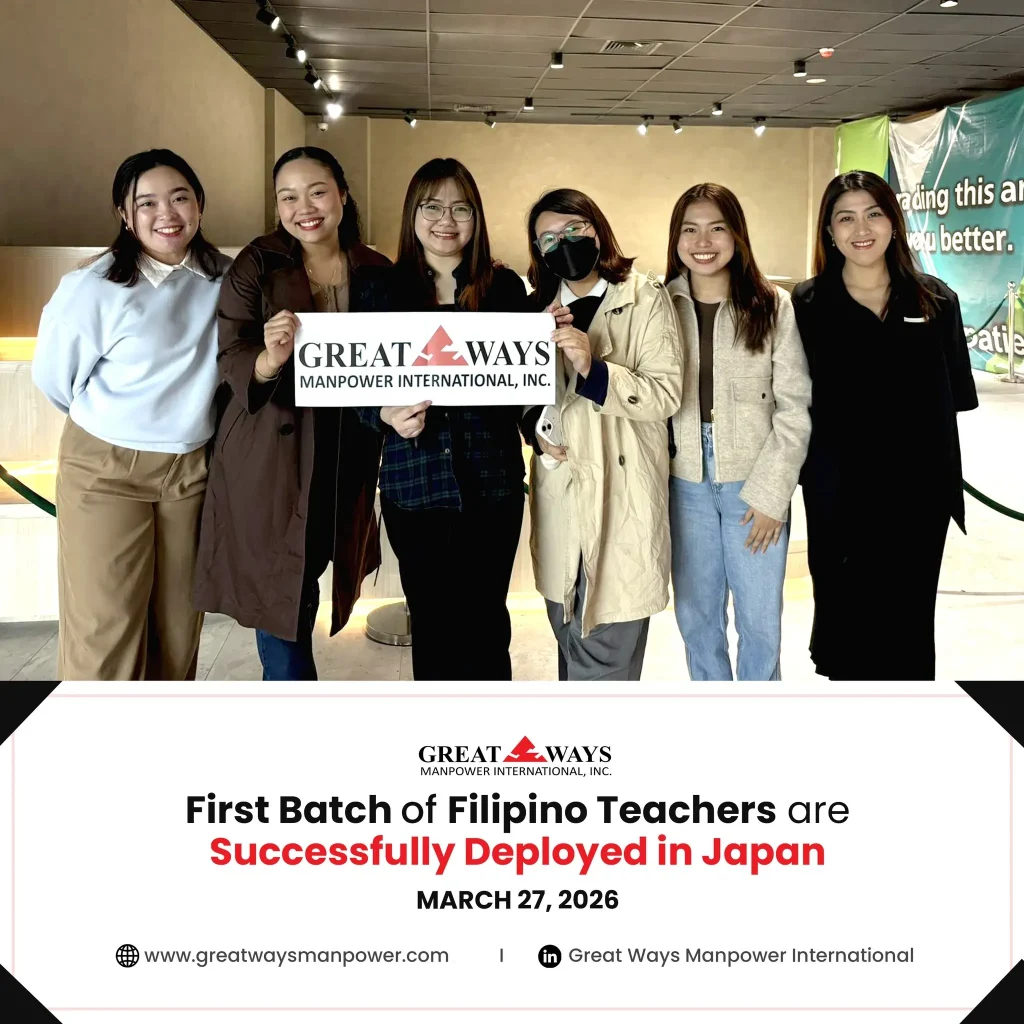
ALTs Great Ways have been deployed for a Dispatch Company based in Tokyo, Japan
Last March 27, our team has assisted 6 Filipino teachers hired by Japanese employers on their flight to Japan.
REASON 4: Filipino Workers Are Known for Compassion and Cultural Compatibility
This may seem like a soft reason, but in healthcare and education, it’s one of the most important ones.
Filipino culture places enormous value on caring for others, especially the elderly. Concepts like ‘malasakit’ (genuine concern for others) and ‘pagalang’ (deep respect for elders) are built into the way Filipino professionals approach their work — not as policy, but as personal values.
Why Filipino Values Align with Japanese Culture
| Filipino Value | Japanese Equivalent | Meaning in Caregiving |
|---|---|---|
| Malasakit | 思いやり (Omoiyari) | Compassionate Care |
| Paggalang | 敬老 (Keirō) | Respect for Elders |
| Bayanihan | チームワーク (Chīmuwāku) | Teamwork |
| Hospitality | おもてなし (Omotenashi) | Patient Satisfaction & Exceptional Service |
These values align naturally with the expectations of Japanese nursing care environments. Patients in long-term care facilities aren’t just looking for technical skill. They want to feel seen, respected, and cared for. Filipino care workers bring that instinctively.
Japanese employers who have worked with Filipino staff consistently highlight the same qualities: warmth, patience, strong work ethic, and genuine dedication to the people in their care.

RELATED BLOG YOU MAY FIND USEFUL
4 Key Service Industry Sectors Driving Global Demand
Explore the top 4 key service industry offerings in this blog and learn why Filipino workers lead global hiring.
REASON 5: Filipinos Adapt Quickly Even Across Language and Culture
One of the biggest concerns Japanese employers raise about international hiring is adjustment time. “How long before they’re actually productive?” It’s a fair question.
Filipino professionals have a well-established reputation for adaptability. Millions of Filipinos work abroad in diverse environments, from Middle Eastern hospitals to European classrooms to Oceania’s aged care facilities. Navigating new cultures, learning new languages, and integrating into unfamiliar workplaces are things they do regularly.



Reputable agencies also invest in pre-departure preparation for workers in Japan, including language training, cultural orientation, and workplace readiness to help candidates integrate faster. This includes the following:
- Japanese Language Preparation
- Cultural Orientation
- Workplace readiness training
REASON 6: Hiring Filipinos Doesn’t Have to Be Complicated
Here’s what stops a lot of Japanese employers from exploring overseas recruitment: the process looks overwhelming. Visa applications. Documentation requirements. Candidate screening across borders.
Compliance with both Philippine and Japanese regulations. It can feel like a lot to manage, especially for HR teams that are already short-staffed.
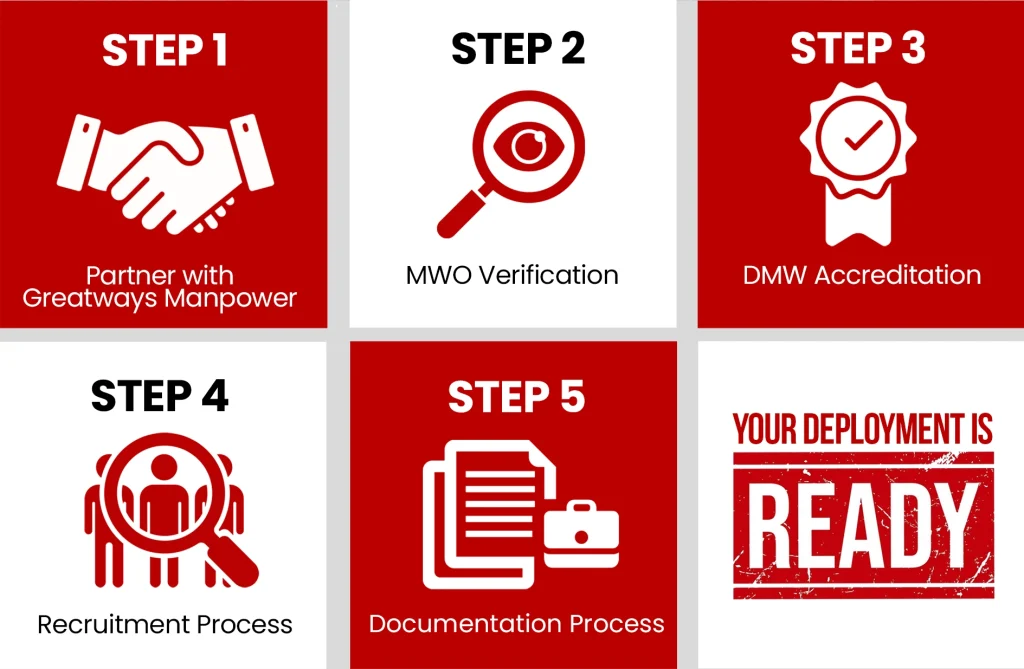
But it doesn’t have to be that way. When you work with the right Filipino recruitment partner, hiring becomes a structured, supported process — not a guessing game.
A trusted sending organization in Japan helps reduce hiring friction by handling sourcing, compliance, documentation, and deployment support from end to end.
If this process feels unfamiliar, learning how dispatch services work in Japan can help you understand how overseas recruitment becomes faster, more structured, and compliant.
REMEMBER: A poor recruitment experience usually comes down to a poor recruitment partner, not the workers themselves. Choosing a credible, experienced sending organization is the most important decision in the process.

REASON 7: Filipino Professionals Offer Long-Term Workforce Stability (Not Just a Quick Fix)
Hiring internationally isn’t just about filling an urgent vacancy. For Japanese employers dealing with structural labor shortages, it’s about building a workforce that can sustain operations for years, not just weeks.
Filipino professionals who come to Japan through legal channels tend to stay. With full documentation, proper visa pathways, and solid pre-departure preparation, Filipino workers become loyal. They come motivated, prepared, and committed. Many develop genuine loyalty to the employers and facilities that treated them well.
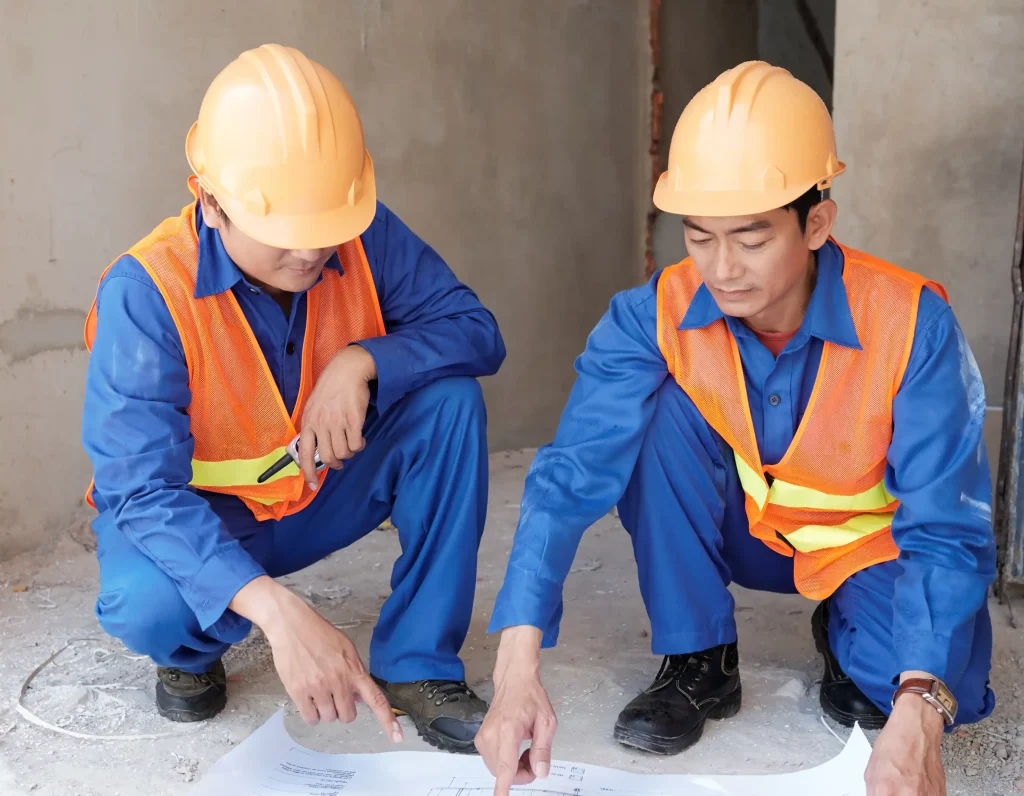
For hospitals, care homes, schools, and educational institutions facing ongoing staffing gaps, this kind of workforce reliability is invaluable. It means fewer disruptions, lower turnover costs, and a team that grows stronger over time.
Working with a professional recruitment agency in the Philippines will help your business in Japan achieve the following:
- Workforce Continuity
- Lower Turnover
- Long-term Staffing Stability
HELPFUL TIP: For employers planning long-term workforce stability, partnering with a recruitment agency in the Philippines can create a sustainable hiring pipeline instead of temporary staffing fixes.
Ready to Close Your Staffing Gap?
At Great Ways Manpower International, we specialize in connecting Japanese healthcare facilities and educational institutions with skilled, motivated Filipino professionals. From hospitals and nursing care homes to international schools and language institutions, we’ve helped employers across Japan find reliable workforce solutions that actually last.
We handle everything: candidate sourcing, skills screening, documentation, pre-departure preparation, and deployment support. You focus on your operations. We handle the recruitment complexity.
The shortage of healthcare workers and education staff in Japan is a serious challenge. But it can be addressed with the right dispatch partner by your side.
Frequently Asked Questions
We, at Great Ways, have recently deployed caregivers for a Registered Support Organization (RSO) with dozens of elderly home partners in Japan.
Send us your manpower request, and we will get back to you within 24 hours!
To identify the top Filipino sending agencies for healthcare workers in Japan, one must ask these questions:
First, is this agency accredited by the Department of Migrant Workers (formerly POEA) in the Philippines?
Second, does this agency have a clean compliance record of no labor violations or immigration laws?
Lastly, has this sending agency recently deployed service workers such as caregivers or teachers in Japan?
Great Ways answers ‘YES’ to all these questions. That’s why we are the preferred partner of Accepting Organizations (AOs), Registered Support Organizations (RSOs), and Dispatch companies in Japan.

 English
 日本語
日本語 Polski
 العربية